Interior Design Styles in Dubai: Which One Fits Your Home?
In Dubai, a glass tower apartment, a Mediterranean-style villa and a palace-inspired mansion can all sit within a few kilometres of one another. The interior design styles residents choose reflect that variety, and the sheer number of options can make choosing one feel difficult. The right style is not simply the one that looks best in a photograph; it is the one that suits your architecture, your daily life, and your budget. In 2026 the local mood favours understated elegance and warm, natural materials, yet bold and classical looks remain popular in many communities. This guide explains the styles you are most likely to consider and helps you match them to your home. As you read each description with your own space and lifestyle in mind, a clear favourite should start to emerge.
How to Choose a Style That Actually Suits You
Before you fall for a particular look, considering a few practical factors will guide your decision. Begin with your architecture: a minimalist scheme flatters a modern Downtown Dubai apartment, whereas ornate detailing can suit a larger villa. Consider the quality and direction of natural light, since Dubai’s bright sun can wash out pale schemes or overheat dark ones. Consider how you really live, whether that means entertaining often, raising young children, or needing a calm retreat from the city. Budget matters too, as heavily bespoke or classical interiors generally cost more to execute than clean contemporary ones. Lastly, factor in resale and rental appeal if you might move on, as widely liked styles tend to draw more interest. Keeping these factors in mind grounds your choice rather than leaving it purely aesthetic.
Contemporary Minimalist Style
Contemporary minimalism is one of the most requested looks in Dubai apartments, and it suits the city’s modern towers particularly well. It leans on clean lines, uncluttered surfaces and a restrained palette of whites, greys and soft neutrals. Rather than ornament, materials and craftsmanship express quality here, so joinery, stone and lighting carry the design. It works beautifully in Dubai Marina, Business Bay, and Downtown Dubai, where open layouts and floor-to-ceiling glass are common. Because the look is pared back, every visible element must be well made, which keeps standards high. Studios learn about the hotel gallery known for a minimalist, spatially driven approach, such as VSHD Design and Sneha Divias Atelier, show how disciplined this style can be. If calm, order and easy upkeep matter to you, minimalism is a strong candidate.
Modern Arabic Style
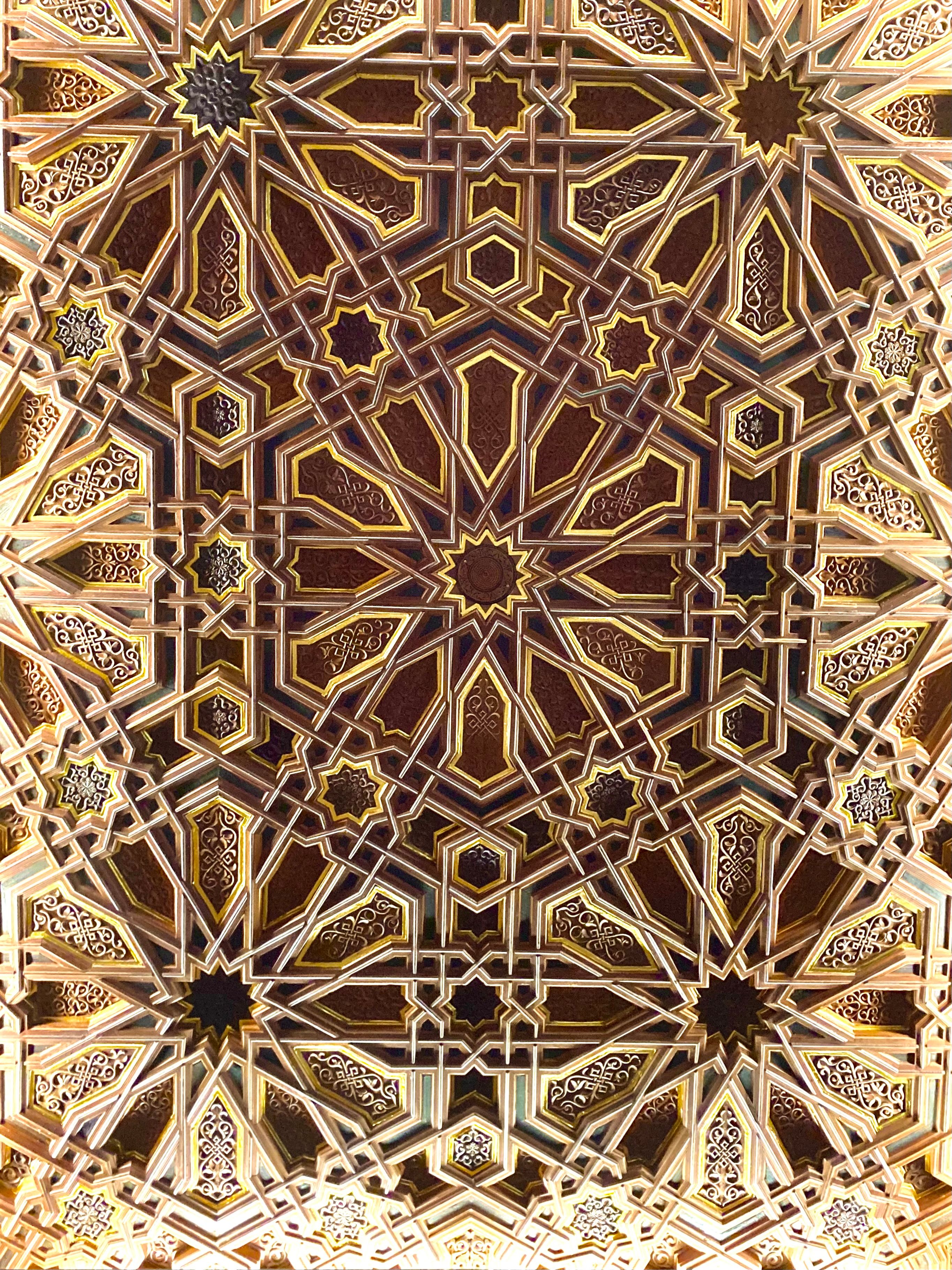
Modern Arabic design blends regional heritage with contemporary comfort, and it resonates strongly with many residents in the Emirates. The look draws on geometric mashrabiya patterns, arches, rich textiles, and warm earthy tones inspired by the desert landscape. Rather than copying historic interiors literally, the modern version keeps the mood while simplifying the detailing for everyday life. Brass accents, carved screens, and layered rugs add texture without overwhelming a room. It suits villas and larger apartments with room for its generous, hospitable character. It pairs naturally with majlis-style seating, which remains central to how many families in Dubai receive guests. Pick this direction if you want a home that feels rooted in the region but thoroughly current.
Classic and Neoclassical
In Dubai’s larger villas and palace-scale homes, classic and neo-classical interiors remain a firm favourite. Symmetry, ornate mouldings, statement chandeliers and a deliberate sense of grandeur and formality define the style. Rich materials — marble, gold or brass detailing, and upholstered furniture — create an atmosphere of luxury. It feels most at home in spacious properties in communities such as Emirates Hills, Palm Jumeirah and the larger Arabian Ranches villas. Executing this look well demands skilled craftsmanship, so it typically sits at the higher end of the budget scale. Firms recognised for classical and neo-classical work, including Luxury Antonovich Design and ALGEDRA Interior Design, illustrate the level of detail involved. If you love a sense of occasion and have the space to carry it, this style delivers real impact.
Warm Minimalism and Quiet Luxury
Often called quiet luxury in 2026, warm minimalism has become one of the defining moods of the moment. It keeps the discipline of minimalism but softens it with natural, tactile materials and a warmer palette. Think oak, travertine, linen, boucle, and layered lighting that make a space feel serene rather than stark. The emphasis is on comfort, quality, and understated elegance rather than obvious display or visible logos. This look flatters both apartments and villas, adapting easily to different room sizes and budgets. It sits comfortably alongside biophilic touches such as indoor greenery, which is another strong current trend. If pure minimalism feels too cold, warm minimalism gives you the same calm with more soul.
Urban Loft and Industrial Style
Industrial style brings a raw, urban edge that appeals to younger residents and creative professionals. It celebrates exposed concrete, visible ductwork, metal, and reclaimed or aged timber rather than hiding them away. The palette tends towards greys, blacks, browns, and the honest texture of the materials themselves. In Dubai it often turns up in loft-style apartments, studios and creative districts such as Alserkal Avenue in Al Quoz. Because it embraces imperfection, it can be more forgiving and sometimes more affordable than highly polished alternatives. It mixes well with warm lighting and a few softer furnishings to stop a room feeling cold. Consider this style if you are after personality, character and a relaxed, unfussy atmosphere.
Comparing the Styles Side by Side
Sometimes the simplest way to decide is to view the options side by side rather than in separate paragraphs. Below, the table sums up who each style tends to suit, its signature materials and roughly where it falls on the cost scale. The cost tiers are broad 2026 market estimates, not fixed quotes, as final figures depend on size, finishes and specification. Use the table to shortlist two or three styles that match your home and budget, then revisit their descriptions above. Bear in mind that many successful Dubai interiors mix two styles, such as warm minimalism with modern Arabic touches. Take this as a starting framework rather than a set of rigid rules, since your own priorities should always have the final say.
| Design style | Best for | Signature materials | Cost tier (2026 estimate) |
|---|---|---|---|
| Contemporary minimalism | Modern flats | Stone, glass, matt joinery | Mid-range |
| Modern Arabic | Villas and family homes | Brass, carved wood, textiles | Mid to high |
| Classic / neo-classical | Larger villas | Marble, gold detailing and upholstery | High-end |
| Warm minimalism | Flats and villas | Oak, travertine and linen | Mid-range |
| Industrial loft | Loft spaces and studios | Concrete, metal, aged timber | Budget to mid |
Fitting Style to Budget and Space
With a shortlist in hand, a few practical checks will confirm whether a style truly fits your home. Cost is the first filter, because classical and heavily bespoke schemes demand more craftsmanship and therefore a larger budget. Space is the second, since grand, ornate looks need volume to breathe while minimalism can flatter a compact apartment. Light, storage needs, and how much upkeep you are willing to do all play a part as well. The quick pointers below help you sanity-check your favourite before you commit to it. Work through them honestly and you will steer clear of a style that looks wonderful yet frustrates you in daily life.
- On a tighter budget, warm minimalism and industrial looks stretch further than classical schemes.
- In a compact apartment, lean towards minimalism or warm minimalism to keep the space feeling open.
- In a large villa, classic, neo-classical or modern Arabic styles fill the volume gracefully.
- If you dislike cleaning, avoid high-gloss surfaces that show every mark in Dubai’s dusty climate.
- If you may rent the home out, lean towards broadly popular, neutral schemes.
Reaching Your Final Decision
Choosing an interior style is ultimately about balancing how a space looks with how it needs to work for you. Begin with your architecture and lifestyle, then let budget and room size trim the field to a realistic shortlist. There is no one right answer, and some of the most memorable Dubai homes confidently mix two complementary styles. If in doubt, collect reference images and look for the common threads, since your saved favourites usually reveal your true taste. A good designer can then turn that direction into a scheme tailored to your home and the 2026 market. Take your time at this stage, since the style you choose now will shape years of daily living. Trust the look that feels like home, and the rest will follow.